
Differential Scanning Calorimeter DSC for Polymer Thermal Analysis
CHEESION Differential Scanning Calorimeter provides accurate DSC thermal analysis for glass transition, melting, crystallization and oxidation induction time testing of polymers, plastics and industrial materials.
Differential Scanning Calorimeter
Accurate Thermal Transition and Heat Flow Analysis for Material Research and Quality Control
The CHEESION Differential Scanning Calorimeter, also known as a DSC analyzer, is designed to measure the difference in heat flow between a sample and a reference under a controlled temperature program.
The instrument helps laboratories and manufacturers determine important thermal properties, including glass transition temperature, melting temperature, crystallization temperature, enthalpy change, specific heat capacity and oxidation induction time.
CHEESION DSC instruments are suitable for the thermal characterization of polymers, plastics, rubber, resins, films, cable materials, composites, pharmaceuticals, chemicals and other advanced materials.
By providing accurate and repeatable thermal data, the DSC analyzer supports material identification, formulation development, incoming material verification, production quality control and finished-product evaluation.
Key Features
- Accurate measurement of heat flow and thermal transitions
- Supports heating, cooling and isothermal test programs
- Measures glass transition temperature Tg
- Determines melting temperature Tm and melting enthalpy
- Evaluates crystallization temperature Tc and crystallinity
- Supports oxidation induction time OIT testing
- Stable temperature control and repeatable test results
- Suitable for small sample quantities
- Programmable temperature and atmosphere control
- User-friendly software for curve analysis and report generation
- Suitable for research laboratories and industrial quality control
- Multiple configurations available for different temperature ranges
| Parameter | Specification |
| DSC Range | 0 to +/-2000 mW |
| Temperature Range | Room Temp to 600 degC |
| Timing Frequency | 16.6 Hz |
| Heating Rate | 0.1 to 100 degC/min |
| Temperature Resolution | 0.001 degC |
| Temperature Fluctuation | +/-0.01 degC |
| DSC Noise | 0.001 mW |
| DSC Resolution | 0.01 uW |
| DSC Accuracy | 0.001 mW |
| DSC Sensitivity | 0.001 mW |
| Experimental Mode | FTC / STC (user-selectable) |
| Program Temperature Control | Full-range 12-stage flexible settings |
| Temperature Control Type | Heating / Isothermal / Cooling |
| Scan Type | Heating / Cooling / Isothermal |
| Atmosphere Control | 2 channels, freely configurable, auto-switching |
| Display | 7-inch LCD color touchscreen, 24-bit |
| Data Interface | Standard USB |
| Sampling Rate | 1 to 10 Hz (program configurable) |
| Instrument Calibration | Multi-point temperature calibration on both controller and host |
| Reference Materials | Standard reference materials included for user calibration |
| Dimensions | 490 x 390 x 215 mm |
DSC curves can help identify interactions between polymers, additives, plasticizers and other formulation components. This supports blend development and compatibility evaluation.
The CHEESION Differential Scanning Calorimeter is widely used in plastics, polymers, rubber, cables, films, pipes, automotive components, batteries, pharmaceuticals, chemicals, and advanced materials.
It can measure glass transition, melting, crystallization, enthalpy, crystallinity, and oxidation induction time. These results help users evaluate material consistency, optimize formulations, verify raw materials, improve processing conditions, and assess thermal stability and aging resistance.
DSC is suitable for R&D laboratories, universities, research institutes, manufacturers, and quality control departments. It supports applications such as polymer characterization, cable and pipe material testing, automotive component analysis, battery safety studies, pharmaceutical research, supplier verification, and finished-product inspection.
Measurement Capabilities
Glass Transition Temperature
DSC detects changes in heat capacity associated with the glass transition of amorphous and semi-crystalline materials. This measurement is commonly used to evaluate polymer flexibility, service temperature and formulation consistency.
Melting and Crystallization
The instrument measures melting and crystallization temperatures as well as associated enthalpy changes. The results can be used to assess material purity, crystal structure, thermal history and processing conditions.
Degree of Crystallinity
By comparing measured melting enthalpy with reference values, DSC can help estimate the crystallinity of polymers and evaluate the effects of cooling rate, processing and additives.
Oxidation Induction Time
Oxidation induction time testing evaluates the oxidative stability of polymer materials under controlled temperature and oxygen conditions. It is commonly applied to polyethylene pipes, geomembranes, cable insulation, films and other products requiring long-term aging resistance.
Specific Heat Capacity
With an appropriate test method and calibration, DSC can be used to determine the specific heat capacity of materials over a selected temperature range.
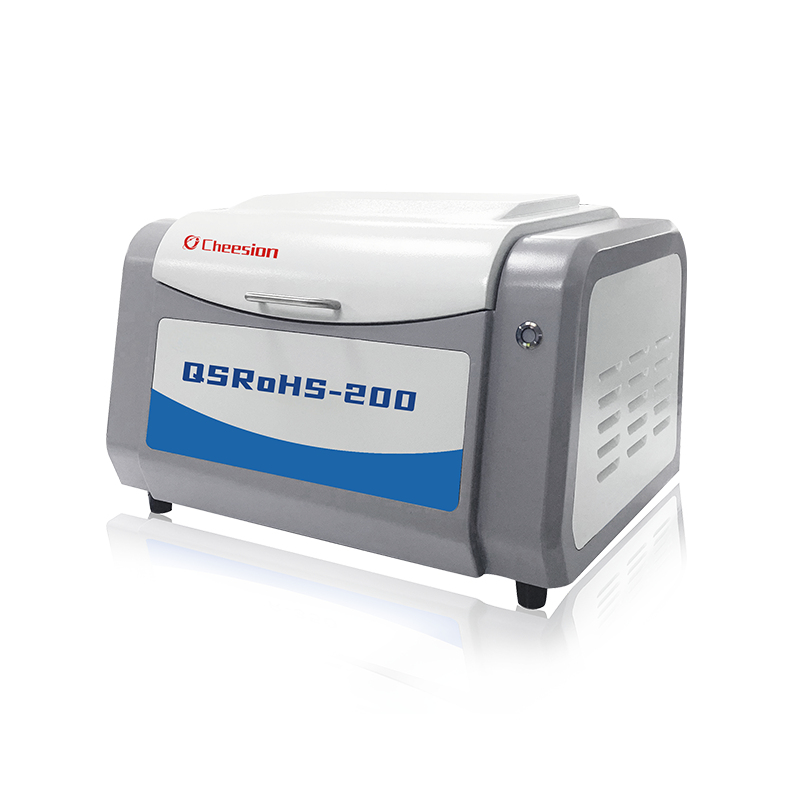
RoHS Compliance X-ray Fluorescence (XRF) Spectrometer QSRoHS-200/300
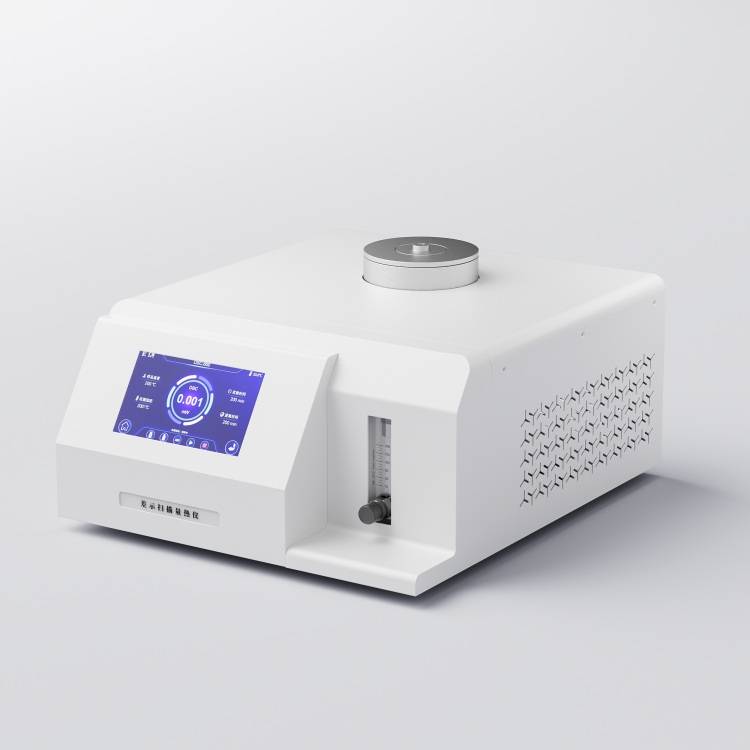
Differential Scanning Calorimeter DSC for Polymer Thermal Analysis
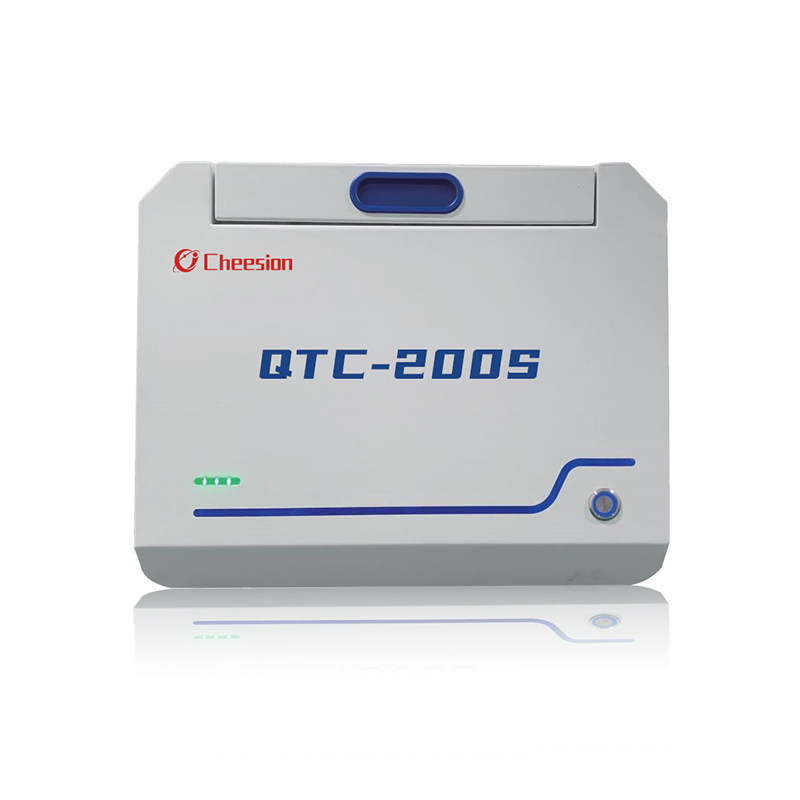
Coating and Plating Thickness X-ray Fluorescence (XRF) Spectrometer QTC200S/300/300S
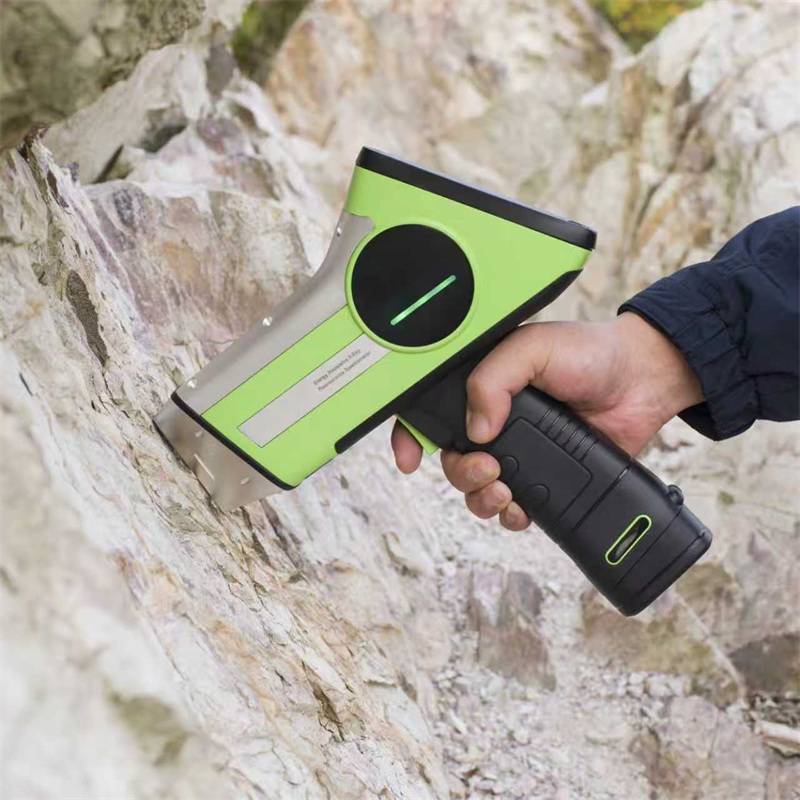
XRF Soil Analyzer for Environmental Testing and Field Analysis
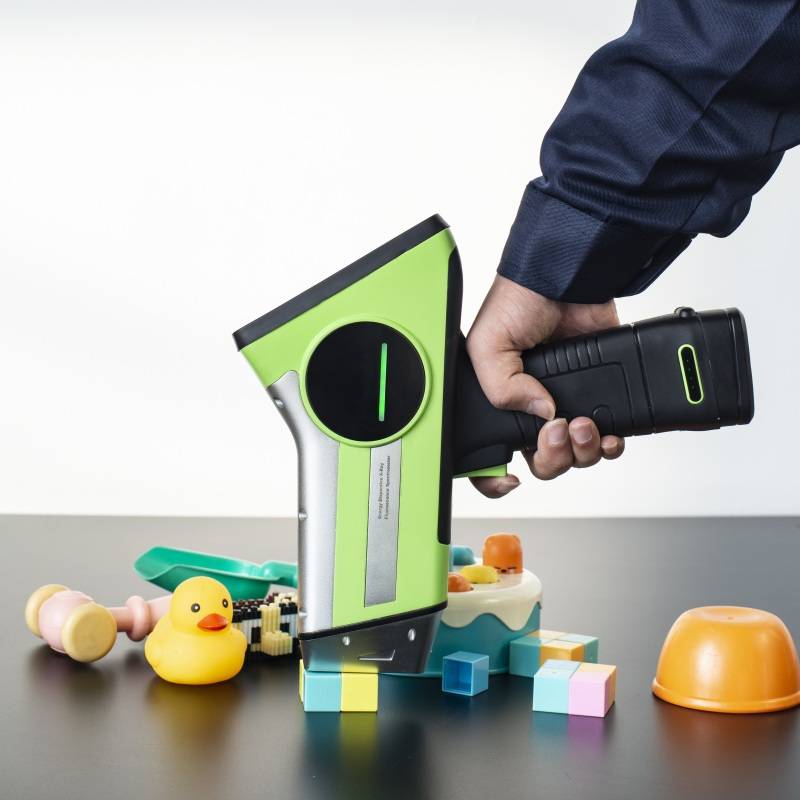
Handheld XRF X-ray Fluorescence XRF Spectrometer Analyzer for Elemental Analysis